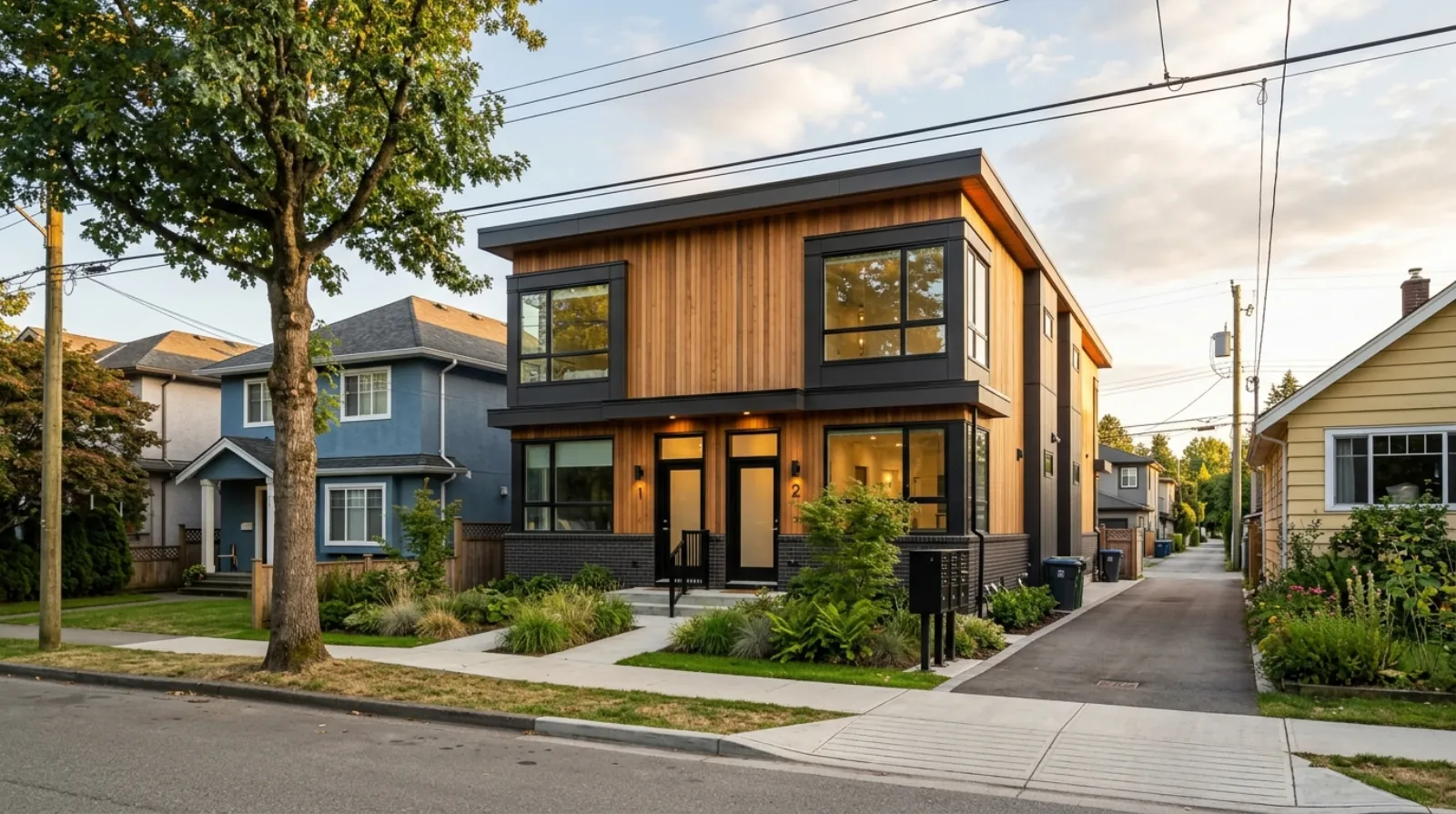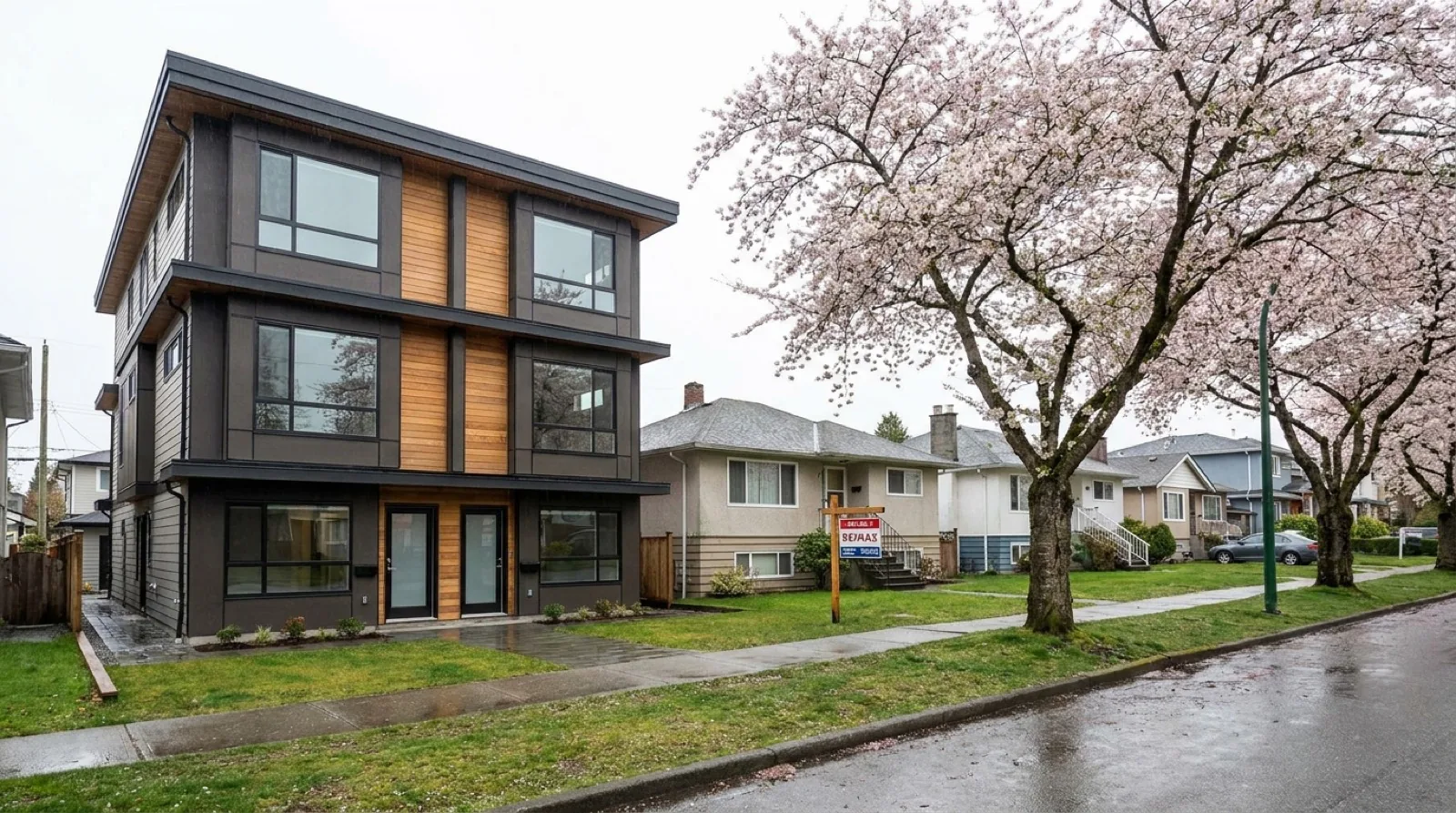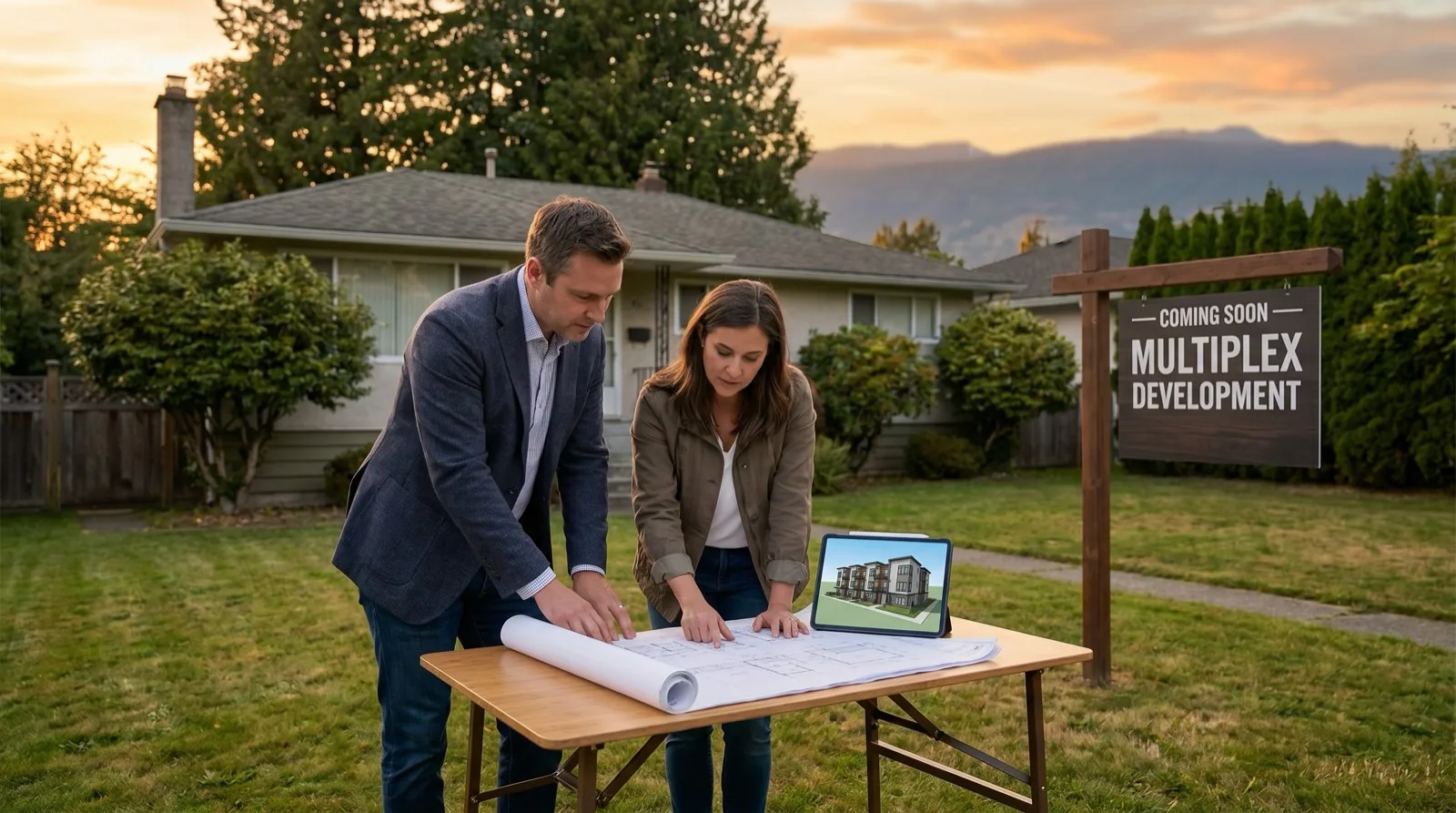

Most owners who run the multiplex numbers end up in the same spot. The project makes sense on paper. The start date does not.
Maybe the financing needs another year or two. Maybe a parent still lives in the house. Maybe you want to see where interest rates settle before committing to a build. Whatever the reason, the honest conclusion is that this is a five year plan, not a next spring plan.
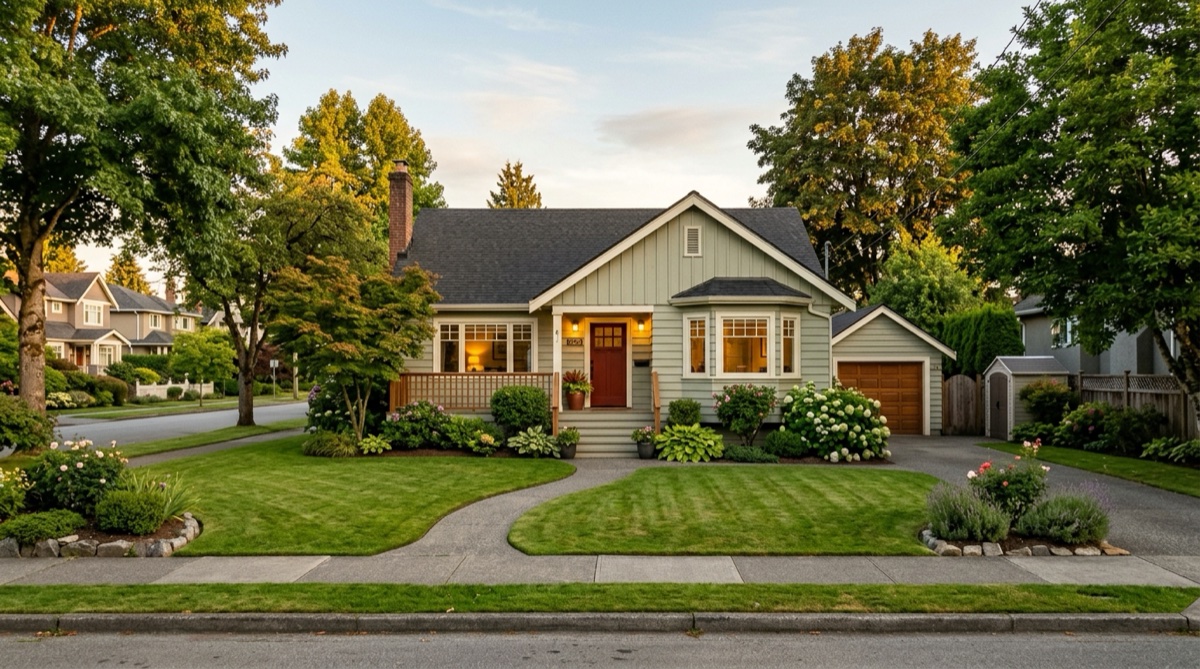
Meanwhile the house is still there. It still needs a roof. It still costs money every month. Owners in this position ask me the same question again and again: what should I do with it while I wait? Here is how I think about it after years of renovation work on the North Shore.
TL;DR
- Spend on the existing house only when the work either survives the redevelopment or repays itself in rent before demolition. If a dollar does neither, keep it.
- A kitchen renovation runs $60,000 to $120,000 in North Vancouver. On a four year hold, that money is simply gone.
- A full secondary suite conversion runs $100,000 to $160,000 and takes roughly five years of $2,000 monthly rent just to repay the construction cost. It fails on a short hold and can work on a long one.
- A coach house only makes sense if it can survive the future multiplex layout. Pay for that siting answer before you pay for design.
- The cheapest path that almost always passes: electrical, plumbing, roof and heat brought to a safely rentable standard.
- Decide your redevelopment timeline first, then spend against it. A two year hold and a five year hold justify very different amounts of money.
One rule decides everything
Every dollar you put into that house must do one of two things. Either the work survives the redevelopment, or the rent pays it back before demolition. If a dollar does neither, do not spend it.
A new kitchen fails this test badly. Our published range for an average kitchen renovation in North Vancouver is $60,000 to $120,000, and the on-site work alone takes 8 to 14 weeks. If the house comes down in four years, all of that money is gone. Rent will not return it in that time, and the buyer of a redevelopment lot pays for land, not cabinets. The same logic applies to a bathroom at our published $25,000 to $55,000, and it applies ten times over to a full home renovation, which averages $200,000 to $400,000.
Refinishing worn floors before you rent the house out passes the test easily. It costs little, it makes the place rentable, and the rent covers it long before construction starts.
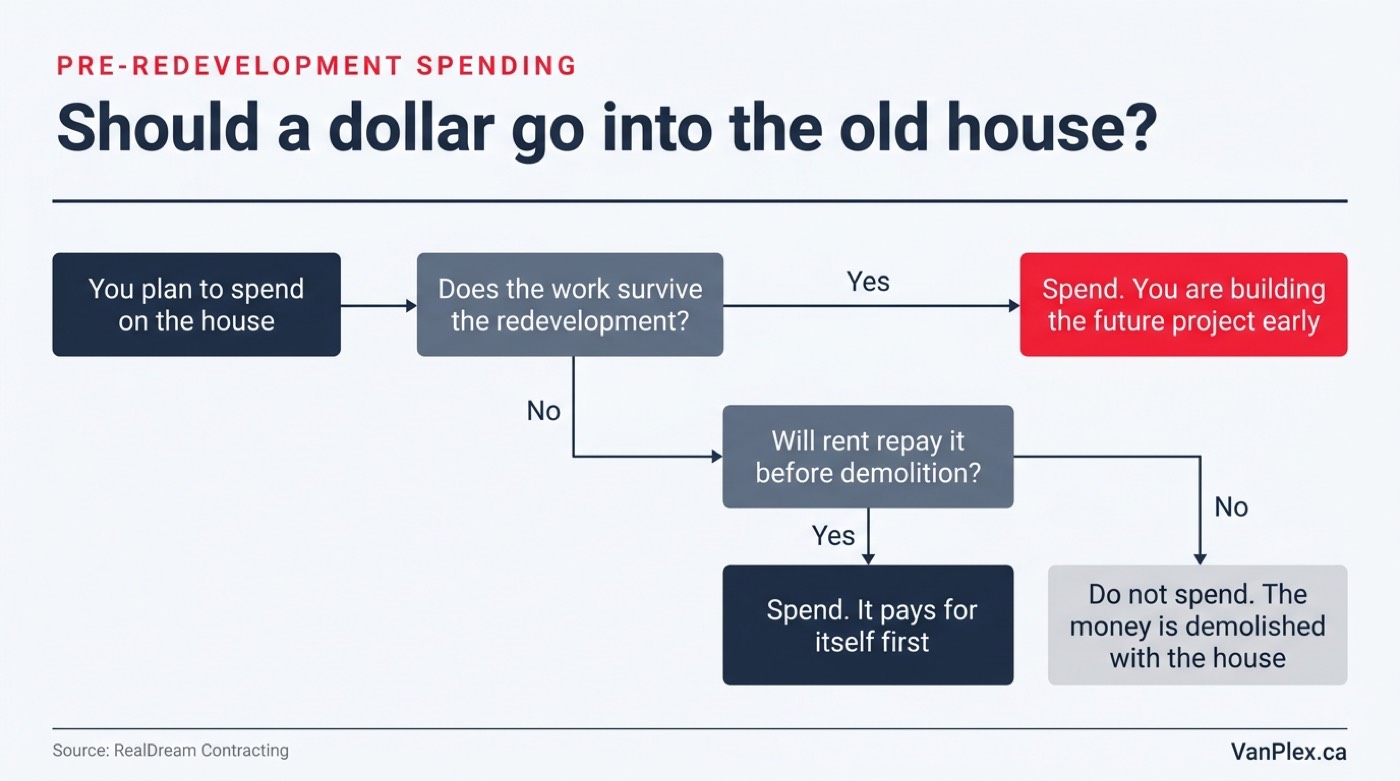
That is the whole rule. Survives, or pays for itself first. The rest of this article is that rule applied to the three moves owners usually consider.
Option one: a basement suite
If the house has an unfinished basement, this is the option most people reach for, and it deserves the most careful math, because the real numbers are larger than most owners expect.
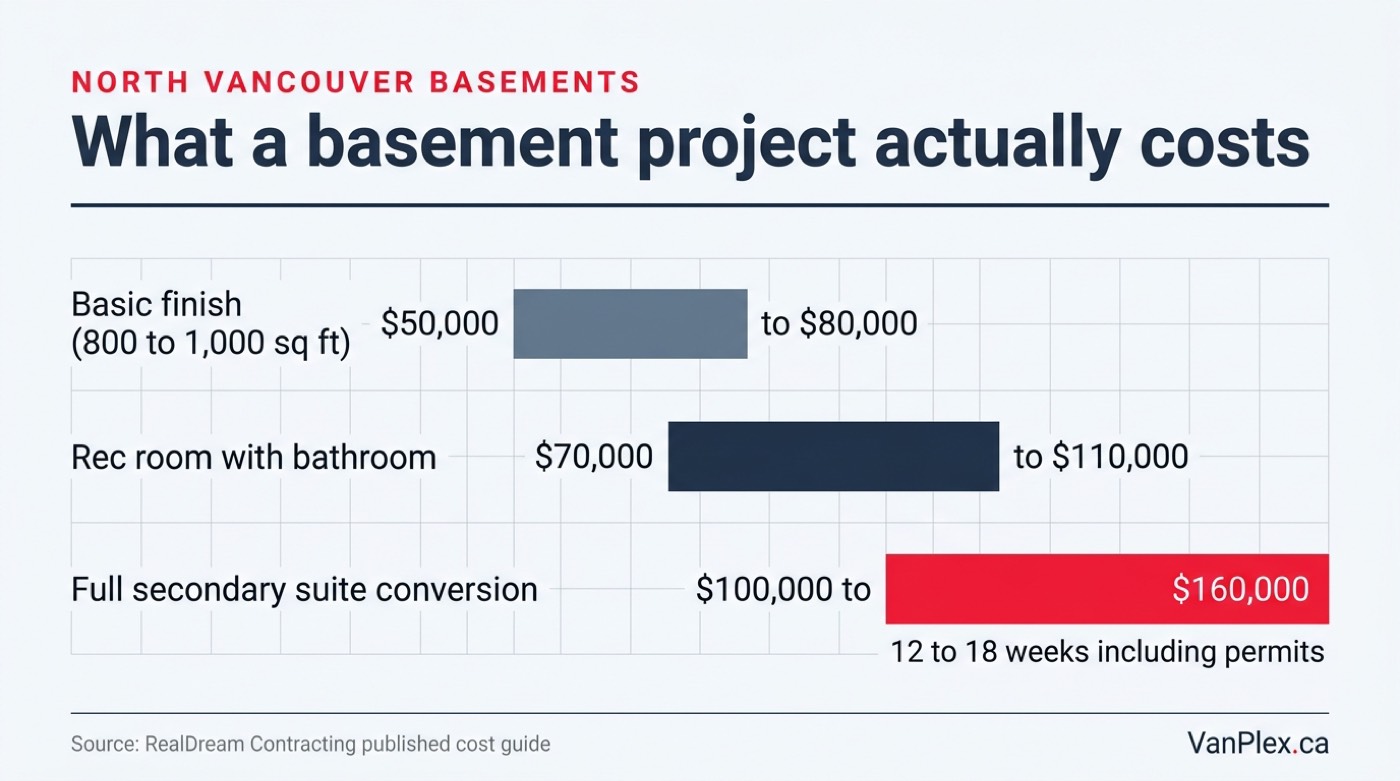
From our published cost data, a basic basement finish runs $50,000 to $80,000 for a typical 800 to 1,000 square foot basement and takes 8 to 12 weeks. A recreation room with a bathroom runs $70,000 to $110,000. A full secondary suite conversion runs $100,000 to $160,000 and takes 12 to 18 weeks including the permit process.
Why does the suite cost so much more than the finish? Because a legal suite is much more than drywall and flooring. It needs a separate entrance, egress windows in the bedrooms with a minimum 3.8 square foot clear opening, a full kitchen, a bathroom, smoke and carbon monoxide detection tied to the main house, fire separation on the ceiling, and sound control between the floors. Each item is there for a reason, and each one costs money.
Now apply the rule. The suite does not survive the redevelopment, so the rent has to repay it before demolition. This is simple division, and it is worth doing before you fall in love with the idea. The table below shows months of full occupancy needed just to return the construction cost, before you count any operating costs or profit.
| Conversion cost | At $1,800/month | At $2,000/month | At $2,400/month |
|---|---|---|---|
| $100,000 | 56 months | 50 months | 42 months |
| $120,000 | 67 months | 60 months | 50 months |
| $160,000 | 89 months | 80 months | 67 months |
Read that against your timeline. On a two or three year hold, a full suite conversion fails the rule at any realistic rent. On a five year or longer hold with strong rent, it can work, and it carries a second benefit: documented rental income strengthens your file when you eventually ask a lender for construction financing. A property with two years of suite rent on paper reads differently than a property with none.
There is a cheaper middle path. If you rent the whole house to one household, a basic finish at the lower end of the range may be enough to raise the rent, without the cost of making the suite legal and separate.
Two warnings before you commit. First, ceiling height and egress. Houses built before 1980 often lack the headroom for a legal suite without lowering the slab, and slab lowering is genuinely expensive. Have someone measure before you spend on design. Second, water. If the basement has a moisture problem, fixing the foundation or waterproofing adds $15,000 to $40,000 depending on scope, and replacing a failed perimeter drain runs $15,000 to $25,000 because it needs exterior excavation. On the North Shore’s steep lots, drainage is the first thing I check and the thing most owners have never looked at.
Option two: a coach house or laneway home
This one costs more than a suite and behaves differently under the rule, because it might survive.
Depending on the lot and the eventual multiplex layout, a coach house at the rear can sometimes remain standing through the redevelopment. If it survives, the economics change completely. You are building the first unit of the future project early and renting it while you wait. If it comes down with the house, you have built a new structure with a known demolition date, and very little rent can repay a new build in a few years.
So settle one question before spending anything on coach house design: does it survive your multiplex plan? That answer comes from whoever will draw the eventual layout, and it is worth paying for. I have watched owners do this in the wrong order, design the coach house first, then learn it sits exactly where the new building needs to be.
Option three: make it safely rentable and stop
Not every hold needs a project. Often the right answer is the unglamorous list: electrical brought up to standard, plumbing that will not fail on a tenant, a roof that lasts the holding period, heat that works.
If the house went up before 1980, expect some mix of outdated wiring, galvanized plumbing, asbestos containing materials, and framing that no longer matches code. None of it is a crisis. All of it is a cost you want to know about before a tenant moves in, not after.
This option is cheap next to the other two, and nearly all of it passes the rule. Safety and systems work protects you from a much larger bill during the hold, whether the house eventually comes down or not.
The three options side by side
| Basement suite | Coach house | Safety work only | |
|---|---|---|---|
| Published cost | $100,000 to $160,000 for a legal conversion | New construction, priced per project | The smallest of the three |
| Survives the redevelopment? | No | Sometimes. Get the siting answer first | The spend protects the holding period itself |
| Repays before demolition? | Roughly 5 years at $2,000/month rent | Only if it survives | Yes, through avoided failures and a rentable house |
| Best fit | Holds of 5+ years with suite-ready height and egress | Lots where the rear unit fits the future layout | Every hold, and short holds especially |
What renovation money actually buys here
A few numbers from our published cost data that help with planning, whichever option you pick.
Labour and trades take 35 to 45 percent of a renovation budget. Materials and fixtures take another 25 to 35 percent, design and permits 8 to 12 percent, and project management 10 to 15 percent, with a 5 to 10 percent contingency on top. Building permits for a renovation typically run $1,500 to $5,000.
On rates: journeyman electricians, plumbers and carpenters command $45 to $85 an hour, and during peak season the best trades are booked 4 to 8 weeks out. That last number surprises people. If your plan depends on finishing a suite before a specific tenancy date, put the booking lead time into the schedule at the start, then add the 12 to 18 week conversion timeline on top of it.
And in North Vancouver specifically, renovation costs tend to run 10 to 15 percent higher than the Metro Vancouver average. Hillside access, older housing stock that needs more structural work, and steady trade demand all push costs the same way. Keep that premium in mind when you compare quotes from across the region.
Decide the timeline first
Whether to hold and improve, or simply hold, depends on how much you trust your redevelopment date. That is a financing and family question, not a construction question, and you can answer it better than any contractor.
The owners who do best decide the timeline first and then spend against it. A five year hold and a two year hold justify very different amounts of money. Get the timeline honest, and the spending decisions mostly make themselves. And if you have not yet confirmed what your lot supports, run the property through VanPlex before you spend anything, because the redevelopment plan is the thing every one of these decisions hangs on.
Frequently asked
Will a renovation raise what a developer pays for my lot?
No. The buyer of a redevelopment lot is paying for the land and what can be built on it. Money spent on finishes inside a house with a demolition date does not come back in the land price. That is exactly why the survive-or-repay rule exists.
How long does a secondary suite conversion take?
From our published data, 12 to 18 weeks including the permit process, on top of the 4 to 8 weeks it can take to book good trades in peak season. Plan backwards from the date you want a tenant in place.
Is an illegal suite a shortcut worth taking?
I will not build one, and I would not advise it. The legal requirements, a separate entrance, proper egress windows, fire separation, interconnected smoke and carbon monoxide detection, exist for tenant safety, and the rent from a legal suite is the rent a lender will actually count when you go for construction financing later.
What should I fix before renting out an older house as is?
Electrical, plumbing, roof and heat, in that spirit if not that order. On pre-1980 houses I also check drainage early, because on steep North Shore lots a failed perimeter drain is a $15,000 to $25,000 problem that gets worse the longer it waits.
This guide was written by the team at RealDream Contracting, a renovation company serving North Vancouver and West Vancouver, working mostly in the area’s 1960s to 1980s housing stock, from the first site visit to the final deficiency sign-off. Reach them at info@realdream.ca.