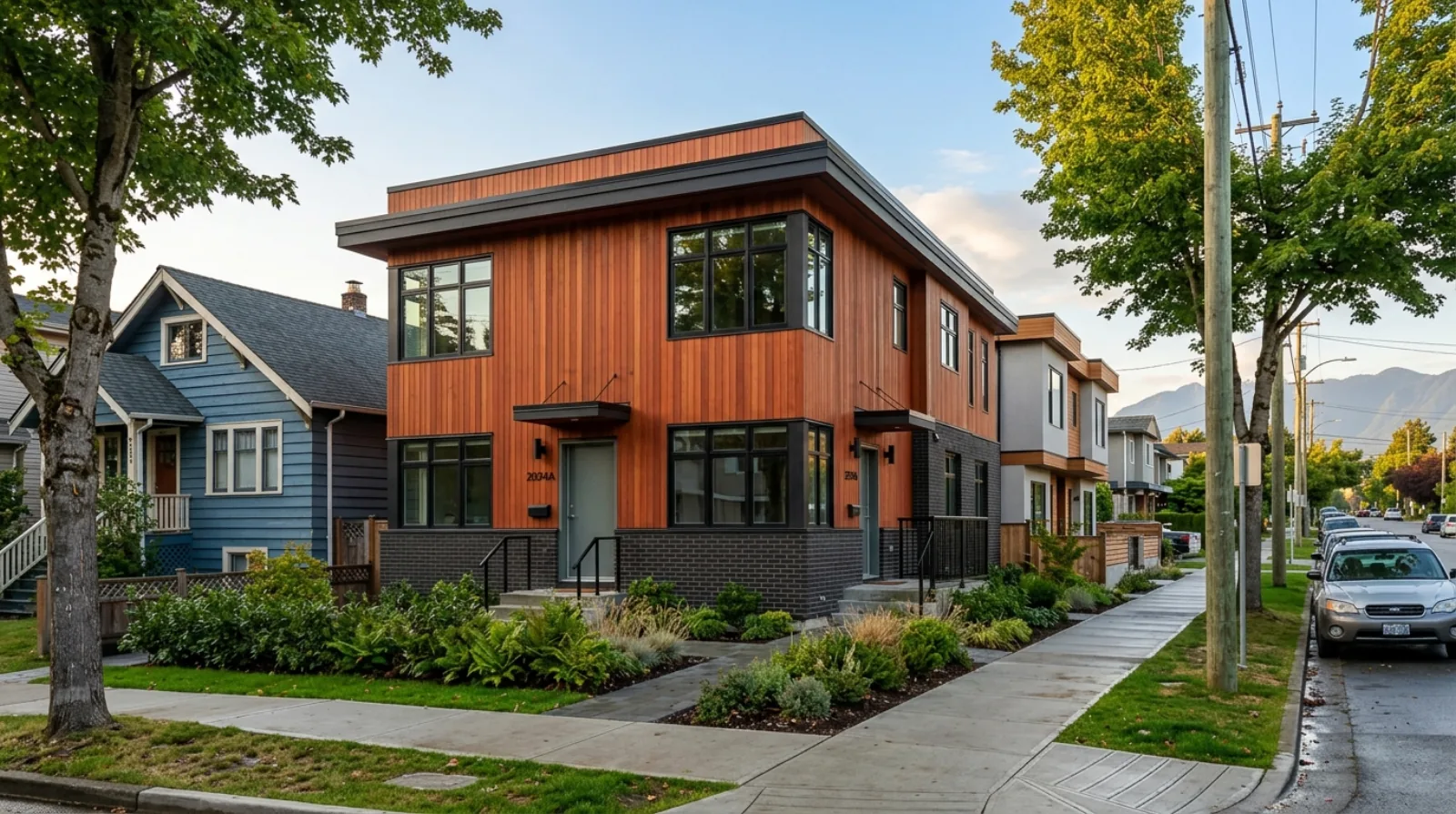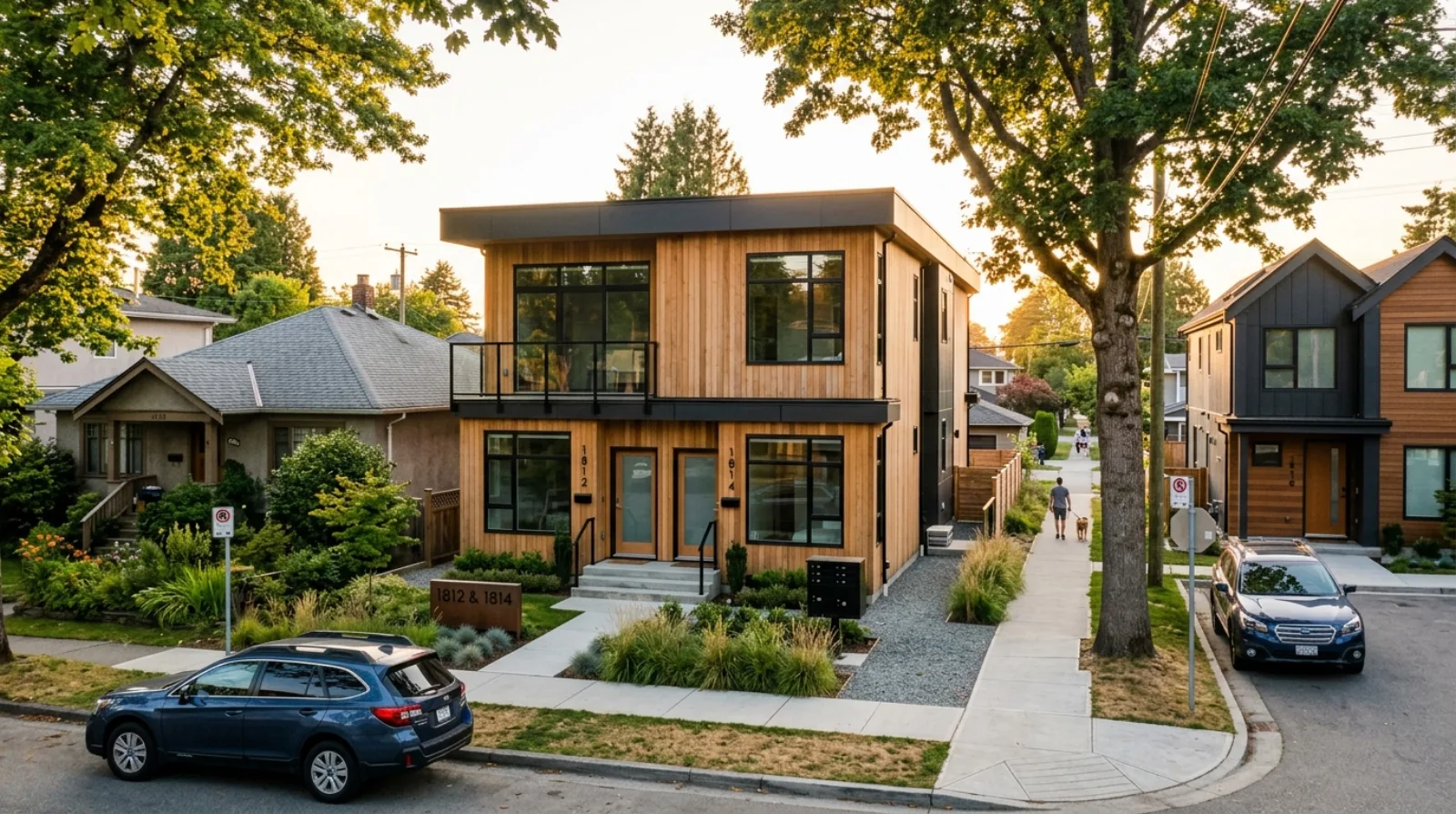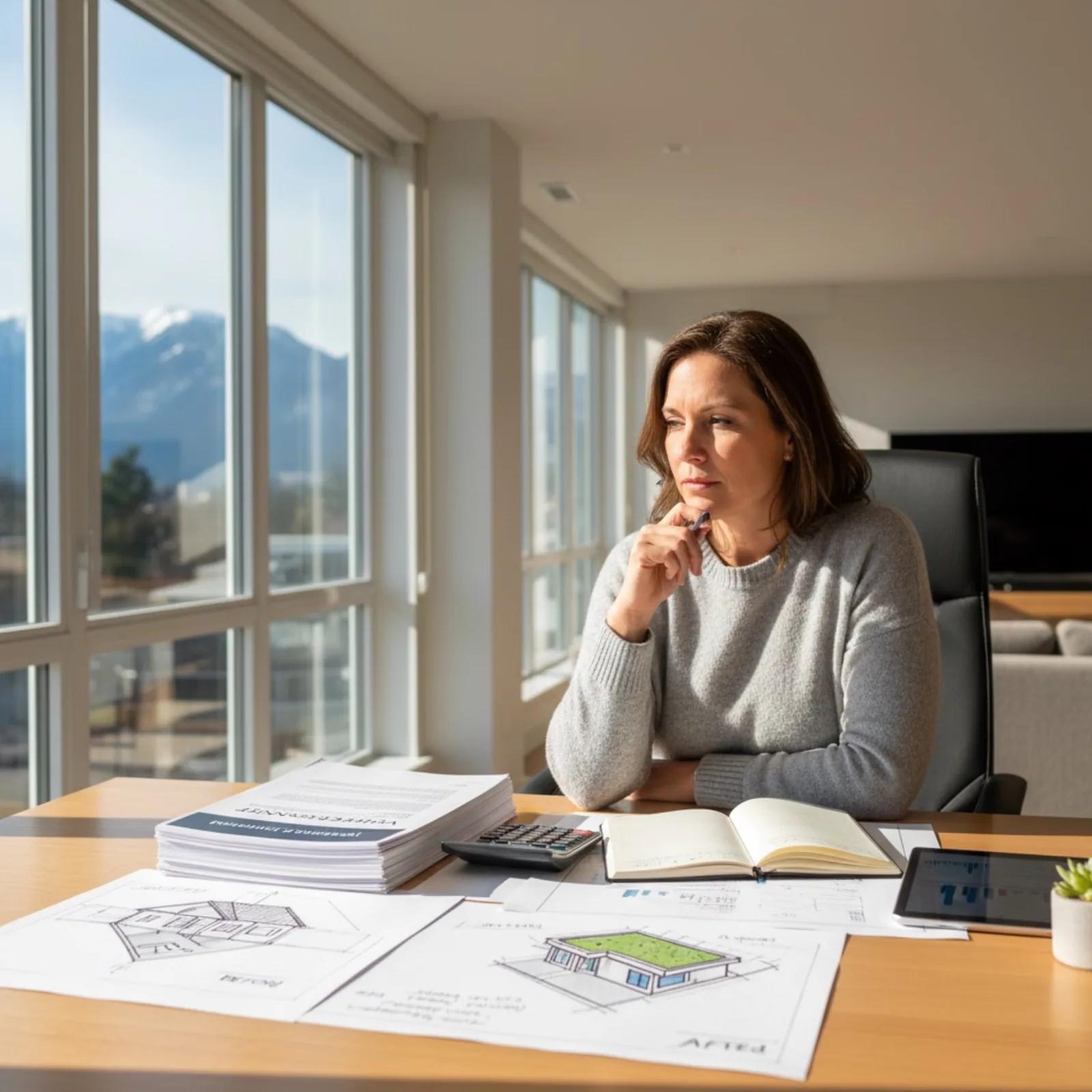

Vancouver homeowners in 2025 discovering clarity about multiplex viability and what their properties can actually do
Market Analysis Featured

2025: What Homeowners Discovered, Clarity, Not Headlines

6 min read

Most homeowners entered 2025 asking: 'What is my home actually capable of now?' Bill 44 answered with clarity. 518 Vancouver applications from 60K+ eligible lots. Only 2% of properties viable. The lesson: eligibility ≠ feasibility.

Key takeaway

2025 year-end reflection on what Vancouver and Burnaby homeowners learned about multiplex development through Bill 44 implementation.

Core insight: most homeowners entered 2025 asking 'What is my home capable of now?' Bill 44 provided clarity through by-right development permissions (no rezoning, no hearings). Reality check: Vancouver received only 518 applications from 60,000+ eligible lots (less than 1%). Systematic analysis shows only ~2% of properties generate 100%+ returns.

Key lesson: eligibility does not equal feasibility. Smart homeowners analyzed before committing, treating it as financial decision not renovation project. 2026 outlook: precision over permission, professional capital influx.

What this covers

  • bill 44 implementation 2025
  • 518 Vancouver applications December 2025
  • 60000 eligible lots less than 1 percent conversion
  • eligibility vs feasibility distinction
  • 2 percent properties viable 100 percent returns
  • by-right development permissions
  • no rezoning no public hearings
  • $1.8M mortgage vs $2.5M costs
  • $800K debt typical build-and-hold
  • analysis before commitment
  • 2026 precision capital clarity
2025-year-review bill-44 homeowner-insights eligibility-vs-feasibility 518-vancouver-applications 2-percent-viable

Most homeowners didn’t enter 2025 planning to become developers.

They entered it trying to understand a changing city, rising costs, and a growing question: “What is my home actually capable of now?”

This year answered that for many. Not with headlines. Not with hype. But with clarity.

What Changed (Without the Media Noise)

Across British Columbia, cities spent 2025 updating zoning bylaws to comply with Bill 44. Some—like the City of North Vancouver and Abbotsford—finalized their rules as late as December. The SSMUH program outlines exactly what these updated rules require municipalities to allow.

For homeowners, the fundamental shift was simple:

  • No rezoning required
  • No public hearings
  • No political guessing

If your property qualifies, the right to build already exists.

That alone changes how a home is valued—even if you never build.

What Some Homeowners Discovered the Hard Way

Here’s what surprised people in 2025.

Just because a property is eligible for multiplex development doesn’t mean it’s viable.

Vancouver, Burnaby, and other BC cities saw hundreds of thousands of lots technically qualify under new zoning. Yet by mid-December 2025, Vancouver had received only 472 multiplex permit applications—less than 1% of eligible properties.

Why the gap?

Because homeowners learned that:

  • A softening market matters
  • Lot width and depth matter
  • Construction costs matter ($1.6M–$2.1M typical range)
  • City fees and timelines matter (4–10 months for permits)
  • Capital gains implications matter
  • Rental income vs. construction debt matters ($1.8M mortgage capacity vs. $2.5M+ costs)

And guessing is expensive.

The Myth That Quietly Disappeared

The biggest misconception entering 2025 was this:

“If zoning allows it, it must make sense.”

That turned out not to be true.

Some homeowners found that adding units increased complexity without increasing value. Others discovered that rental income didn’t support the cost of construction—leaving $800K+ in debt after build-and-hold.

Systematic analysis revealed that only approximately 2% of Vancouver and Burnaby properties can generate 100%+ pre-tax returns through multiplex development.

A smaller group learned something different:

A well-designed multiplex can fundamentally reset a property’s value—but only when the numbers truly work.

That distinction became the real lesson of the year.

What Smart Homeowners Did Differently

The homeowners who moved forward successfully in 2025 didn’t rush.

They:

  • Analyzed their property before committing to construction
  • Treated the decision like a financial choice, not a renovation project
  • Clarified whether their best outcome was to build, sell to a developer, or wait
  • Understood the difference between eligibility and feasibility

In short, they made the decision before starting the project.

That mindset shift is the quiet upgrade.

Looking Ahead to 2026

If 2025 was about permission, 2026 will be about precision.

Cities now have rules in place. Builders are adapting. Costs are clearer. Professional capital is entering the market. And homeowners are asking better questions:

  • What is my property worth today—and what could it become?
  • Is this a lifestyle decision, a financial one, or both?
  • What does success look like for me—not for the market?

Those answers are personal.

And that’s why multiplex isn’t a trend.

It’s a new option.

The Value of Clarity Before Commitment

Not every homeowner should build.

But every homeowner deserves to understand what their property can do before emotion, pressure, or headlines make the decision for them.

Sometimes the smartest move is action. Sometimes it’s patience. Sometimes it’s simply knowing your options.

In 2025, clarity became currency. That continues in 2026.


If you’re a homeowner trying to understand your options, the for homeowners guide walks through how to evaluate whether building makes sense for your situation.

Want to understand what your Vancouver or Burnaby property can do?

Visit VanPlex.ca to:

  • Check your property’s multiplex eligibility under Bill 44 (2-minute analysis)
  • Calculate your potential ROI with actual neighborhood comparables using our advanced proforma calculator
  • Connect with verified partners if you choose to move forward

Knowledge first. Decisions second.


David Babakaiff Co-Founder, VanPlex PlexRank™ | Profit with Multiplex
Frequently asked questions

How many multiplex permit applications did Vancouver receive by the end of 2025?

By mid-December 2025, Vancouver had received only 472 multiplex permit applications, less than 1 percent of the properties that technically qualified under the new zoning rules. That gap between hundreds of thousands of eligible lots and fewer than 500 applications is the central data point behind the article's argument that zoning eligibility and financial viability are separate questions.

What did Bill 44 actually remove from the process of building a multiplex on an eligible lot?

Bill 44 removed the rezoning requirement, the public hearing process, and the political uncertainty that previously stood between a homeowner and a multiplex build. If a property qualifies, the right to build already exists without a city council vote, which changes how the property is valued even if the owner never builds on it.

What percentage of Vancouver and Burnaby properties can actually generate strong returns from multiplex development?

Systematic analysis found that only 2 percent of Vancouver and Burnaby properties can generate pre-tax returns of 100 percent or more through multiplex development. That figure is what separates a property that is legally eligible to build a multiplex from one where building a multiplex is also a sound financial decision.

What construction and financing numbers surprised homeowners exploring multiplex development in 2025?

Homeowners discovered that typical construction costs ran 1.6 to 2.1 million dollars, permit timelines ran 4 to 10 months, and rental income from the finished units often supported only around 1.8 million dollars in mortgage capacity against total costs exceeding 2.5 million dollars. That gap between what rental income supports and what construction actually costs is what left some owners carrying 800,000 dollars or more in debt after completing a build-and-hold project.

What was the biggest misconception homeowners had about multiplex zoning entering 2025?

The biggest misconception was assuming that if zoning allows a multiplex, building one must make financial sense. Some homeowners who added units found the added complexity did not increase the property's value, and others found that rental income did not cover the cost of construction, which is the opposite of what the zoning change on its own suggested.

What did homeowners who succeeded with multiplex development in 2025 do differently?

Homeowners who moved forward successfully analyzed their property before committing to construction, treated the choice as a financial decision rather than a renovation project, and clarified upfront whether their best outcome was to build, sell to a developer, or wait. They made the decision before starting the project, rather than starting construction and discovering the numbers along the way.

Which BC cities finalized their Bill 44 zoning bylaws latest in 2025?

The City of North Vancouver and Abbotsford finalized their updated zoning bylaws as late as December 2025, among the cities across British Columbia that spent the year updating their rules to comply with Bill 44's requirements for small-scale multi-unit housing.

What is the difference between a property being eligible for multiplex development and being feasible for it?

Eligibility means a property's zoning legally allows building a multiplex without further rezoning or a public hearing, which applied to hundreds of thousands of lots across Vancouver, Burnaby, and other BC cities by the end of 2025. Feasibility means the construction costs, lot width and depth, city fees, permit timelines, and rental income against mortgage capacity actually produce a viable financial outcome, which the article states applied to only about 2 percent of properties.

Free 12-page guide for Vancouver-area homeowners. Build, sell, hold, or partner — side-by-side comparison of the numbers, timeline, and risk on each path.

Verified phone required. We'll text you the link in 60 seconds.

David Babakaiff

David Babakaiff

Co-Founder, VanPlex | 25+ Years BC Construction

David Babakaiff is Co-Founder of VanPlex with 25+ years scaling BC construction. He led Alair Homes Vancouver to the 2024 HAVAN Award for Best Multiplex Unit in the GVRD. VanPlex’s PlexRank™ algorithm scores residential parcels across BC for multiplex conversion potential under Bill 44.

Want insights like this delivered weekly?

Join 2,500+ property owners getting ROI case studies, market data, and exclusive opportunities.

No spam. Unsubscribe anytime.