
Transition from high-rise condos to family-oriented multiplex developments in Vancouver
Market Analysis Featured

From Multifamily Condo to Multiplex: The Next Evolution in Canadian Real Estate

8 min read

The condo flipping era is ending as market psychology shifts. Discover why sophisticated investors are pivoting from high-rise condos to family-oriented multiplex developments backed by Bill 44 and data-driven profitability.

Key takeaway

Analysis of the structural shift from condo speculation to multiplex development in Canadian real estate, highlighting market psychology changes, policy reforms, and data-driven investment opportunities.

What this covers

  • condo market correction
  • multiplex opportunity
  • Bill 44 impact
  • investment strategy pivot
  • market psychology
  • family-oriented housing
condo market multiplex real estate investment Bill 44 Vancouver market trends

From Multifamily Condo to Multiplex: The Next Evolution in Canadian Real Estate

For more than a decade, condo flipping was a reliable wealth generator across Canada’s hottest real estate markets. Investors could purchase presale units, hold them through construction, and resell for a profit, often before the building was even finished.

That playbook is now breaking down. Today, the condo market is flooded with unsold inventory and declining buyer confidence. Thousands of investors are over-leveraged and facing losses as projects they planned to flip are instead sitting idle. Some have been forced into bankruptcy after betting heavily on multiple presales. Developers, meanwhile, are completing existing builds but putting new ones on hold, a clear signal that market confidence is eroding.

The Structural Shift Behind the Slowdown

According to analysts such as Dan and Ryan of The Vancouver Life Real Estate Podcast, several structural factors are converging:

  • Falling presale prices: Investors who bought early in development cycles now find that resale values have slipped below their purchase prices.
  • Supply backlog: Thousands of completed units remain unsold, putting downward pressure on pricing.
  • Construction slowdown: Developers are finishing existing projects but delaying new launches, creating a looming shortage of future inventory.
  • Sentiment erosion: The market’s psychology has flipped, from fear of missing out to fear of being stuck holding depreciating assets.

The result is a correction that could reshape the priorities of both investors and builders.

Interest Rates and Market Psychology

The Bank of Canada’s expected rate cuts later this year may bring temporary relief. However, rate adjustments alone are unlikely to restore the speculative momentum that once defined the condo market.

What’s changing is deeper than interest rates, it’s the psychology of Canadian housing investment. For the first time in years, buyers are questioning whether high-density condo towers represent long-term value, especially as affordability, livability, and community become stronger purchase drivers.

The Rise of Family-Oriented Multiplexes

CTV News recently highlighted an emerging bright spot: larger three-bedroom units and family-friendly multiplex developments are outperforming the broader market.

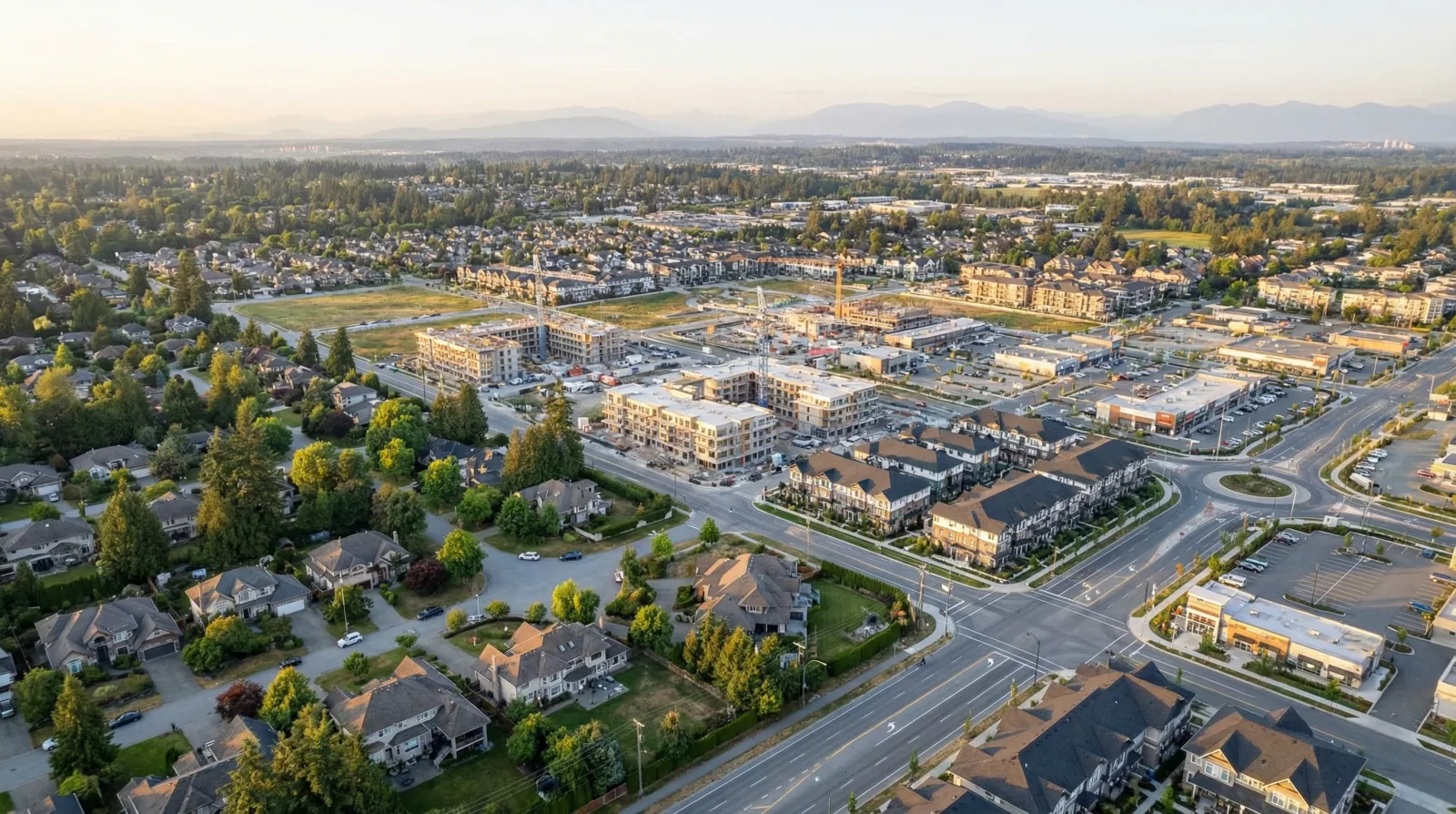
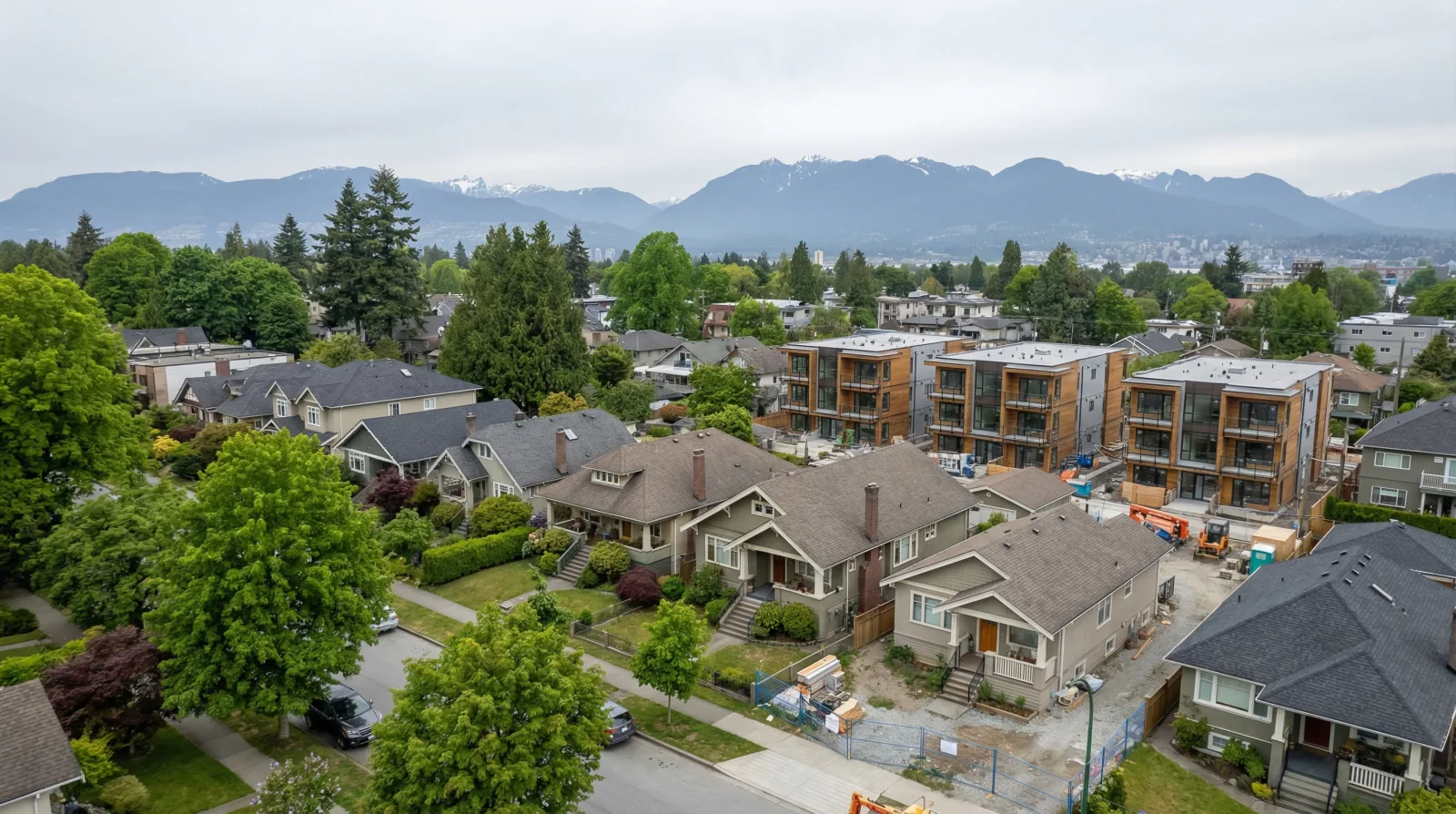
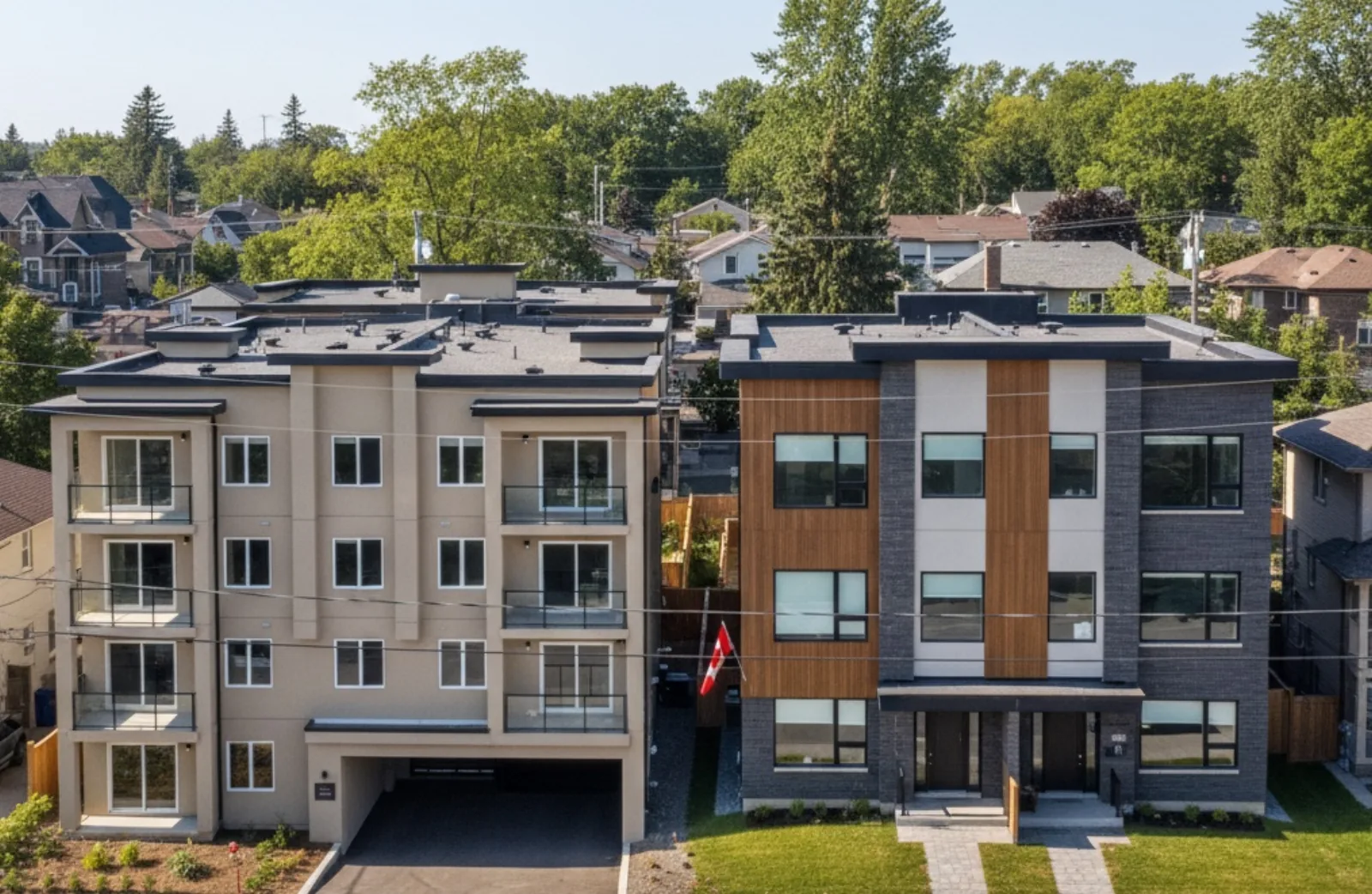
These properties, often situated on tree-lined streets rather than in high-rise towers, appeal to end-users, not just investors. They also align with recent policy changes such as Bill 44, which allows single-family lots to be redeveloped into triplexes, fourplexes, or even sixplexes in many Canadian cities.

In Vancouver alone, over 440 multiplex permits have been issued, according to public data at vanplex.ca. Each listing provides detailed insights—from applicant names to parking capacity—reflecting a wave of small-scale development activity that’s reshaping neighborhoods from the ground up.

Why Investors Are Pivoting to Multiplex

For sophisticated investors, the multiplex opportunity represents a structural hedge against condo volatility. Early feasibility studies show that many properties converted into multiplexes can yield significant profit differentials—some doubling returns compared to holding single-family homes.

Data from Vancouver and Burnaby show that:

  • Properties on the left side of the feasibility curve (older homes with poor lot configurations) typically lose money upon conversion.
  • Properties on the right side, those suited for efficient redevelopment, show positive cash flow and substantial appreciation potential.

Van Burnaby ROE Sept 2025

This data-driven approach gives investors a clearer picture of risk and reward, something the speculative condo market often lacked.

Conclusion

Canada’s real estate market is undergoing a quiet but profound rebalancing. Where once the condo tower symbolized opportunity, today the more sustainable path may lie in multi-unit family housing, a sector fueled by policy reform, end-user demand, and data-backed profitability.

Investors who adapt early by shifting from passive condo speculation to active multiplex development stand to benefit not only financially but strategically. In a market defined by uncertainty, intelligence and agility are becoming the new sources of return.

David Babakaiff

Co-Founder, VanPlex.ca

Vancouver Multiplex Index™ | Profit with Multiplex

Frequently asked questions

Why is the condo flipping market in Canada slowing down?

Investors who bought presale condos early in development cycles are finding resale values have slipped below their purchase prices, and thousands of completed units remain unsold, putting downward pressure on pricing. Developers are finishing existing builds but delaying new launches, and market sentiment has shifted from fear of missing out to fear of being stuck holding depreciating assets.

Why are investors shifting from condos to multiplex developments?

Sophisticated investors see multiplex development as a structural hedge against condo volatility. Feasibility studies show that some properties converted into multiplexes can yield significant profit differentials, with some doubling returns compared to holding single-family homes, according to data from Vancouver and Burnaby markets.

How many multiplex permits have been issued in Vancouver?

Over 440 multiplex permits have been issued in Vancouver, according to public data at vanplex.ca. Each listing includes details such as applicant names and parking capacity, reflecting a wave of small-scale development activity that the article says is reshaping neighbourhoods from the ground up, block by block.

What role does Bill 44 play in the shift toward multiplex housing?

Bill 44 allows single-family lots to be redeveloped into triplexes, fourplexes, or even sixplexes in many Canadian cities. This policy change aligns with a broader market shift toward larger, family-friendly multiplex developments on tree-lined streets, which are outperforming the broader condo market according to CTV News coverage cited in the article.

What is the difference between properties that succeed and fail as multiplex conversions?

Properties on what the article calls the left side of the feasibility curve, meaning older homes with poor lot configurations, typically lose money upon conversion to a multiplex. Properties on the right side, meaning those suited for efficient redevelopment, show positive cash flow and substantial appreciation potential.

Will interest rate cuts bring back the condo speculation market?

The article argues that the Bank of Canada's expected rate cuts may bring temporary relief, but rate adjustments alone are unlikely to restore the speculative momentum that once defined the condo market. It describes the shift as deeper than interest rates: a change in the psychology of Canadian housing investment.

What kind of buyer is driving demand for family-oriented multiplexes?

Larger three-bedroom units and family-friendly multiplex developments appeal to end-users who plan to live in the home, not just investors looking to flip a unit. This is a structural difference from the condo tower market, which was driven heavily by investor purchases.

Is multiplex investment less risky than condo investment right now?

The article frames multiplex investment as offering a clearer risk and reward picture than the condo market, because data-driven feasibility analysis on the specific lot, rather than speculation on a presale tower, determines whether a project will be profitable. It notes this data-driven approach is something the speculative condo market often lacked.

Free 12-page guide for Vancouver-area homeowners. Build, sell, hold, or partner — side-by-side comparison of the numbers, timeline, and risk on each path.

Verified phone required. We'll text you the link in 60 seconds.

David Babakaiff

David Babakaiff

Co-Founder, VanPlex | 25+ Years BC Construction

David Babakaiff is Co-Founder of VanPlex with 25+ years scaling BC construction. He led Alair Homes Vancouver to the 2024 HAVAN Award for Best Multiplex Unit in the GVRD. VanPlex’s PlexRank™ algorithm scores residential parcels across BC for multiplex conversion potential under Bill 44.

Want insights like this delivered weekly?

Join 2,500+ property owners getting ROI case studies, market data, and exclusive opportunities.

No spam. Unsubscribe anytime.